
Why Are Gen Z Writing Letters to Strangers?
From running mail clubs to zine-making workshops, Gen Z is yearning for tactile experiences
It’s summer again. You are on your balcony, drinking roohafza as you write a letter with your Camlin fountain pen. After the final “yours sincerely,” you sign it, seal it in an envelope, and run to your parents to take you to the post office.
Turns out whether you sent a letter in 2006 or 2026, the process is still the same. Several mail clubs: The Madras Art Mail, Mixed Monet, and Lifafa Mail Club have been using the Indian post office to send their snail mail for a seasonal fee. When asked where the idea stems from, “To seek joy in little things in a hurried, hurried world," replied Sahana, who runs The Madras Art Club with her sister, Sanjana.
"We felt this concept was much needed because it’s deeply personal and lets you slow down, pause, and observe," she added.
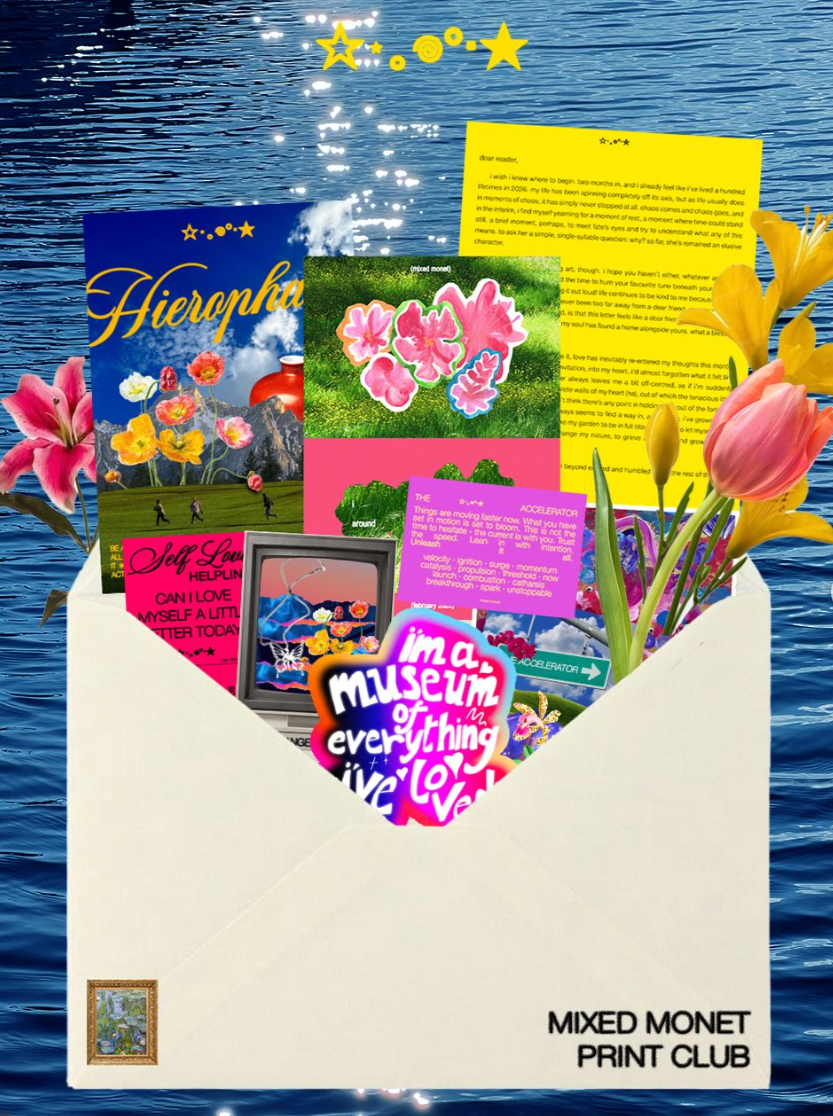
Mixed Monet Print Club — @mix.monet
Everyone’s feed is blowing up with the same outfit inspiration, restaurant suggestions, and who danced to Palat in theaters.
Siddhi Harlalka, a psychologist, weighs in on this effect. “I think we’re constantly consuming more than our nervous systems can handle. You’re scrolling through someone’s engagement shoot, then war footage, a skincare ad, and someone buying a house, and you’re expected to make sense of it all and continue with your day. There’s pressure to keep up with everything while you’re trying to catch your breath. It’s exhausting.”
In contrast, it's deeply grounding to hold something you have created in your hand or something that was made for you with intention.
Through my own experience of running the Lifafa mail club, I can attest that writing one letter after the other slows you down. It gives you the chance to pause and reflect as you seal the envelope and send it to someone across the globe. You can’t share that kind of intimacy with a stranger through your screen.
This slow living appeal has Gen-Z hosting zine-making clubs, listening parties with vinyl records, and writer’s evenings. Bookstores like Atta Galatta have welcomed this wave of activities and aim to make it as accessible as possible.
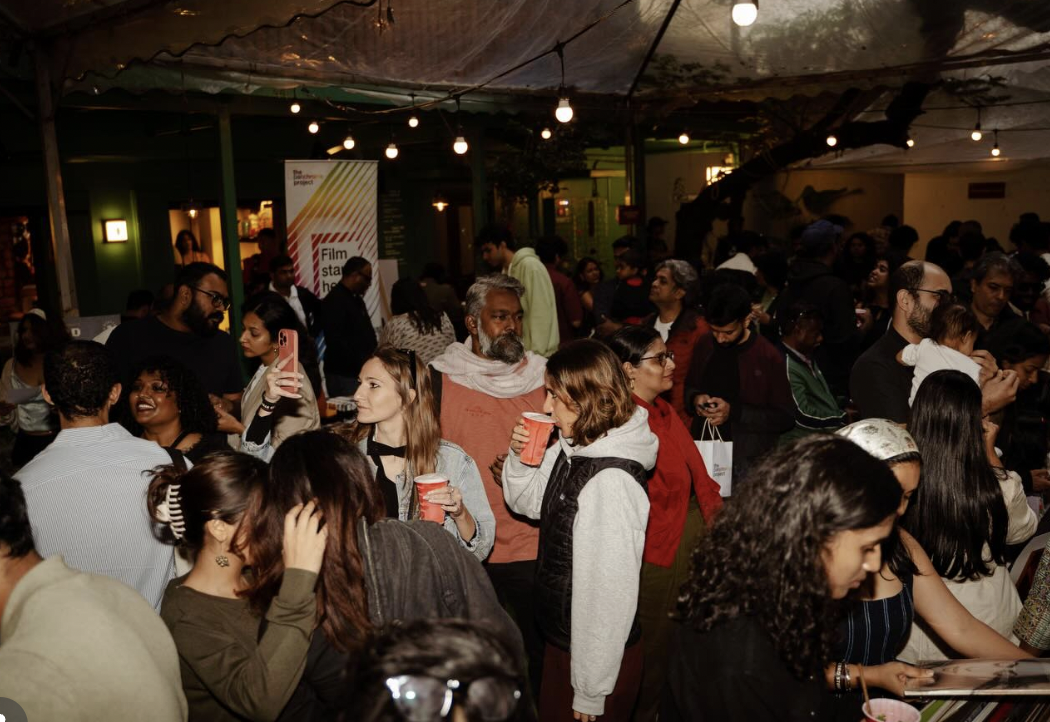
On the Jungle Floor reviving vinyls — @onthejunglefloor
But does this analog trend run deeper? Is there more to intentional living, and is a digital detachment even possible?
Mail clubs offer a getaway from the constant pings, reels, and performing your life to an audience online.
Receiving mail that you can tear open, brush through, pin on your wall, or treasure in your memory box—all of this creates a sense of much-needed detachment from one’s screen. As a tactile luxury of its own, it makes you slow down.
It takes months to think of a theme, make your art pieces, get them printed, curate the stickers and other goodies you want to add, and write all the letters. Instead of a delivery within ten minutes at your doorstep, mail takes days and weeks to reach the receiver. This anticipation disrupts the immediacy digital media prioritizes.
Yet, irony laughs when one finds these events through social media itself.
Mail is something tangible for you to hold in your hands and cherish, but ironically, we need the digital space to do the marketing for it. “We are building a community online, and that actually translates to offline. While physical third spaces are shrinking, art mail clubs like these are becoming a kind of “phygital” third space,” shares Sahana.
Arkin Tyagi, a Delhi-based freelance illustrator, posts his work regularly on Instagram, where his clients primarily contact him. “Social media has opened avenues to be an independent artist and foster a greater audience. With distribution handled, it helps in gaining a wide audience for my projects, so having a profile as a creative has become a necessity," he adds.
Whereas creatives such as Anindani Rawat and Shibani use social media as a digital journal to showcase their work. They do this without expecting interaction or a specific number of shares; they create simply for the joy of documenting their art.
Going completely analog with obsolete phones is not ideal, but one’s intentional use of their space online seems to matter, especially how it translates offline into their lives.
In the era of being able to reach audiences only through their social media, mail clubs have successfully built communities beyond the screens. Not for the sake of maximizing profits but to value creative freedom.
*Blog feature image: ‘Lady Writing a Love Letter’, National Museum, New Delhi