
Where Do Quiet Children Go?
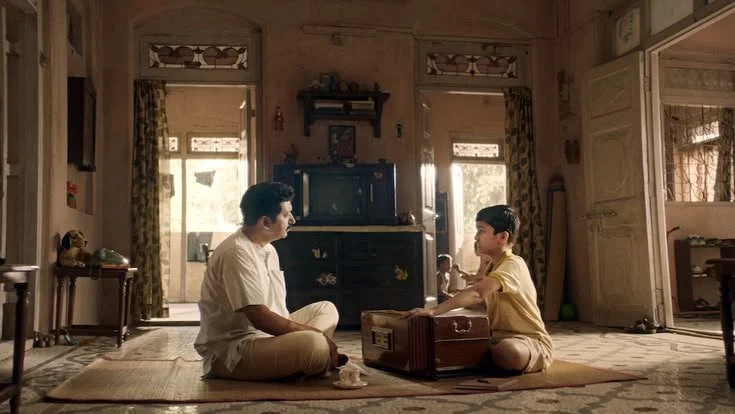
The Disciple (2020), Dir. Chaitanya Tamhane
I used to think I became creative very randomly one day. That artists were born through loud acts of rebellion in households that opposed every single dream they had. But in my experience, creativity had a rather interesting entry. It sat in the corner of a shared bedroom. It hid in between unfinished homework and dinner plates left in the sink. It existed in the hour after everyone had gone to sleep.
Growing up in a South Asian household meant I was rarely alone physically. In fact, there was always someone around. The television was always too loud, and someone was always on the phone with a relative. The pressure cooker whistled like clockwork in the evenings, while family friends visited unannounced and stayed for hours and hours. Back then, privacy seemed like a luxury and solitude? Impossible.
Somehow, I still became someone who lived mostly inside my own head. I think many desi children understand this contradiction well: being surrounded by people while quietly becoming emotionally private. Especially the children who were called “mature” too early or the ones who learnt to observe before they learnt to express. Somewhere between academic expectations, family responsibilities, and the unspoken rule of “don’t create more problems,” many of us became experts at shrinking parts of ourselves inward.
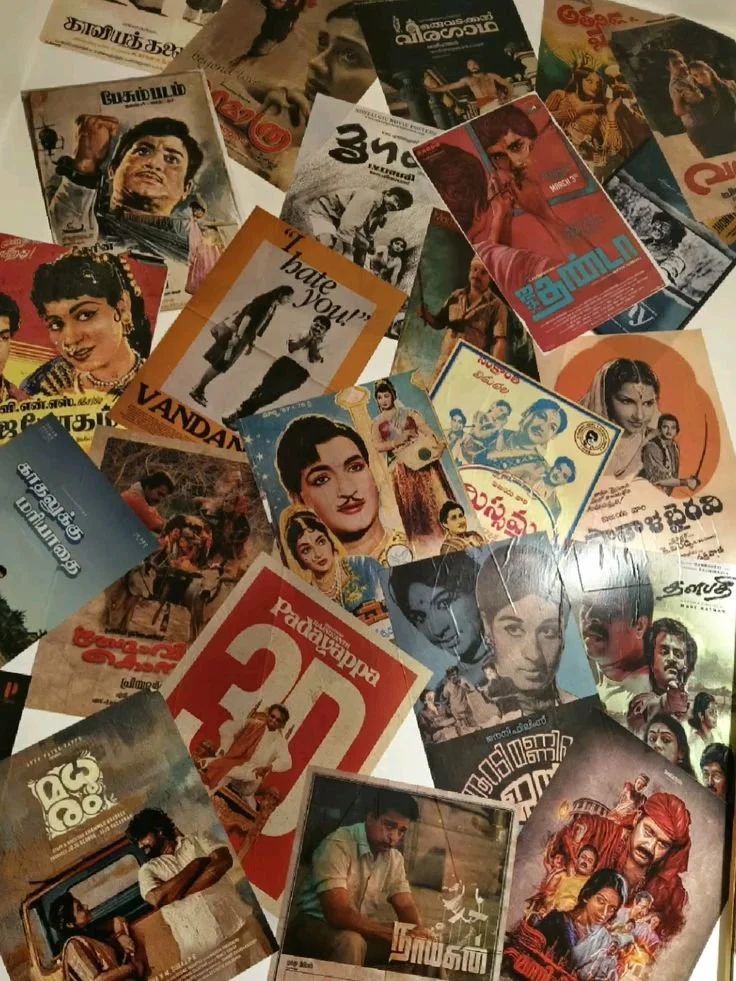
So we found other places to put them. I think for me, it was films first. Then music. Then stories. I became deeply attached to fictional worlds because they seemed to articulate emotions I didn’t fully know how to explain in real life. In films, people paused long enough to confront their feelings. In books, loneliness was given language. In songs, heartbreak sounded beautiful instead of embarrassing. Art became more than entertainment, and I considered it one of my best friends.
I don’t think South Asian households always know what to do with emotionally sensitive children. Practicality is often prioritised for understandable reasons since many of our families were built through sacrifice, survival, migration and instability. Also, creativity can seem fragile in comparison to careers that promise security. So even in loving households, artistic interiority sometimes becomes invisible. You are encouraged to succeed but not always taught how to sit with yourself emotionally.
Ironically, those same environments often end up creating deeply observant people. When you grow up constantly reading the emotional temperature of a room, you begin noticing everything. You notice exhaustion hidden beneath anger. You notice love expressed through cut fruit instead of apologies. You notice how silence changes shape depending on who is upset. You notice which dreams are spoken aloud and which quietly disappear with age.
I think that’s why so many of us creative South Asian children become archivists without realising it. We collect gestures, fragments, overheard conversations, half-finished emotions. We carry entire inner worlds while appearing completely ordinary from the outside. For a long time, I viewed this inwardness as only loneliness. But as I’ve grown older, I’ve started seeing it differently. The same solitude that isolated me also improved my imagination. The hours I spent retreating into stories taught me how to understand people. The emotional distance I struggled to express pushed me toward art forms that could voice it for me.
I don’t think creativity was something that arrived to rescue me from my upbringing anymore. No, they both go hand in hand. That doesn’t mean every quiet child becomes an artist, nor that every South Asian household is emotionally repressive. However, I do think there are many of us who learnt to build private inner worlds in environments where emotional vulnerability did not always have space to exist openly. And maybe that is why art matters so much to so many of us now. It’s never that we weren’t loved, it’s just because creativity became one of the few places where we could truly be ourselves without interruption.