
DESI ROCOCO: Redefining South Asian Glamour and Queer Desire
What does it look like when South Asian creatives get to decide how we see ourselves?
It’s a question that sits at the centre of DESI ROCOCO, the latest campaign from jewellery brand Kaju Studios, created in collaboration with Junk Flower Films. Bringing together South Asian jewellery, Rococo aesthetics and a Sapphic love story, the campaign creates a visual world that feels both familiar and unexpected. It is recognisably rooted in South Asian culture, but it isn’t interested in relying on the visual tropes we have become accustomed to seeing in representations of the diaspora.
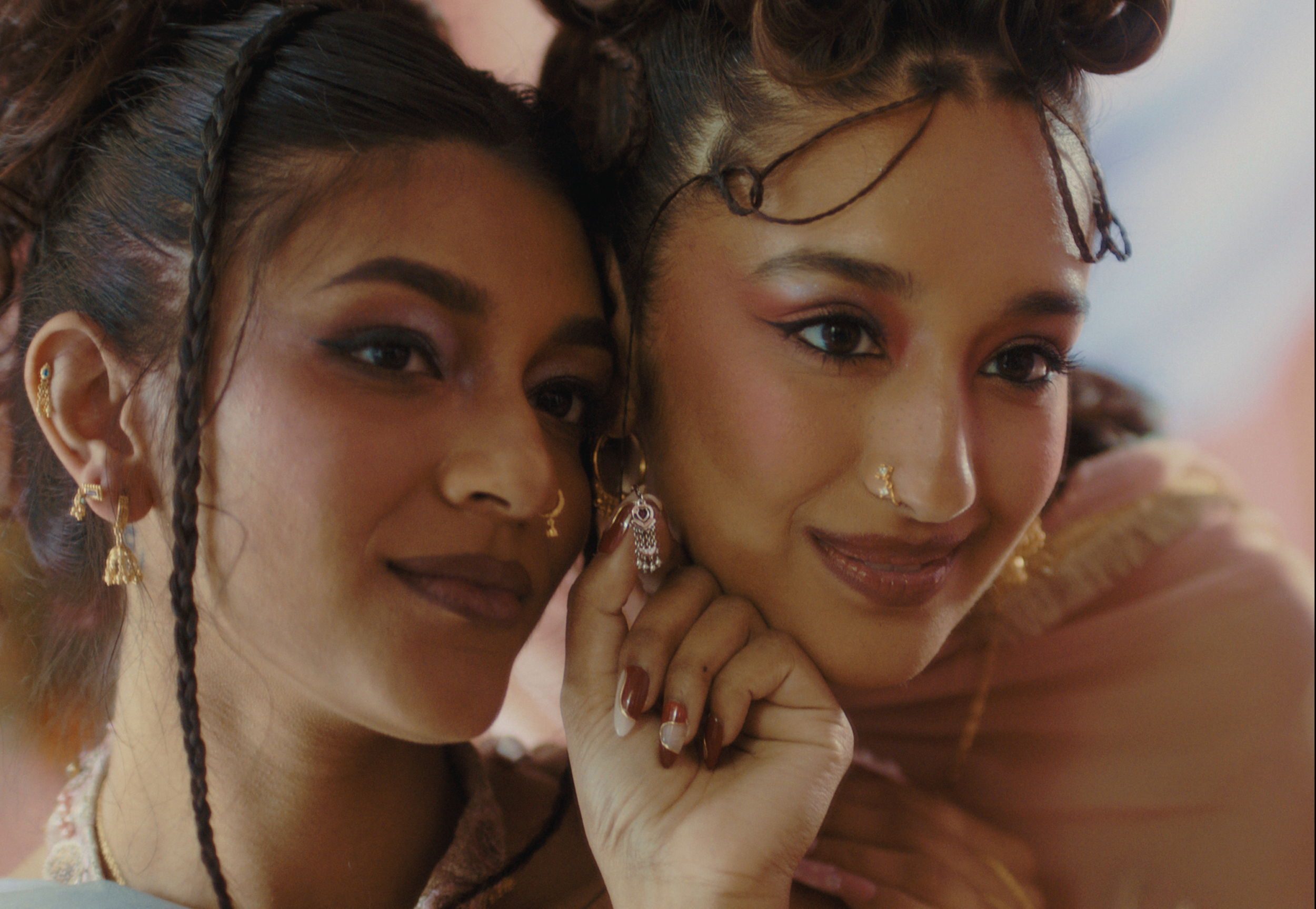
At first glance, the connection between traditional South Asian jewellery and Rococo makes perfect sense. Both embrace ornamentation, intricate detail and a sense of excess. DESI ROCOCO takes that shared love of embellishment and pushes it further, pairing bold gems and maximalist jewellery with the ornate silhouettes and romantic visual language of Rococo. For Kaju Studios, founded on the idea of bringing South Asian-inspired jewellery into everyday Western wardrobes, the collection is another way to let these different influences exist alongside one another.
That freedom to let identities and aesthetics coexist is important to the campaign. Rather than treating South Asian culture as something that needs to be presented in one particular way, DESI ROCOCO asks what happens when creatives are given the space to decide what beauty, glamour and desire look like for themselves.
For Kaju Studios co-founder Tara Bhikha, that meant looking at Rococo through a personal connection to South Asian identity. “As an art history nerd, I've always loved how Rococo freezes those small, romanticised moments like the butterflies of new love, and slow mornings with someone you adore. Since South Asians are so absent from that canon, reimagining it in a context that actually feels like mine has been a joy.”
“Bringing art, culture, and romance together for the Desi Rococo collection means finally getting to tell a story we almost never see.”
That idea of romanticised intimacy also became central to the campaign’s Sapphic narrative. Starring musicians Raveena and Avara, DESI ROCOCO presents queer South Asian desire through a beautiful softness that’s both glamorous and romantic. It is a visual language where jewellery, femininity and intimacy can exist together while celebrating South Asian identity.
“Sapphic love felt like the natural throughline once we chose the artists in this campaign, because their music carries that same tenderness,” Tara explains. “Bringing art, culture, and romance together for the Desi Rococo collection means finally getting to tell a story we almost never see: the lightness and joy of queer South Asian love.”
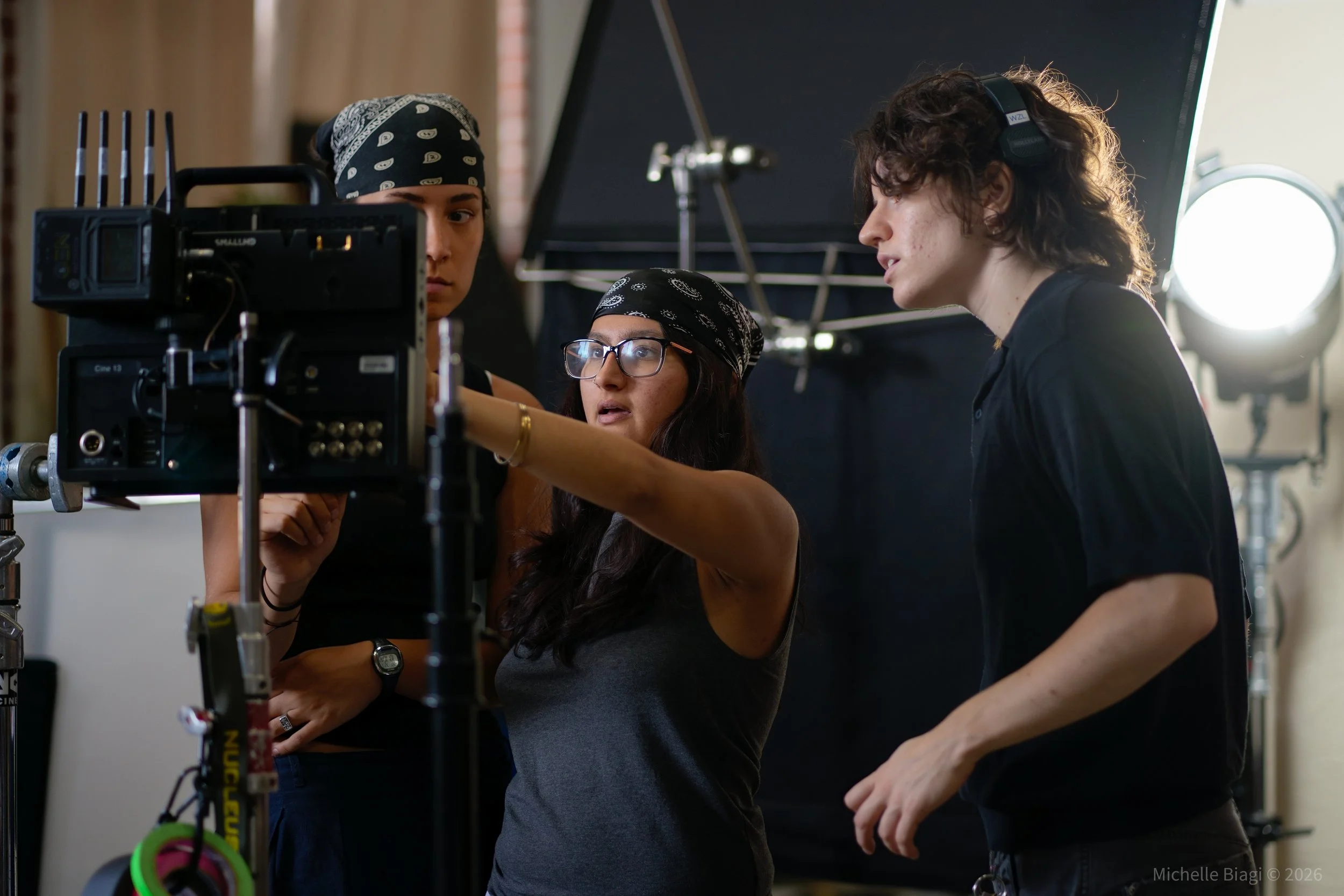
The people behind the camera are just as important to that story. DESI ROCOCO was created by a 100% WOC and/or Queer cast and crew of award-winning creatives, including director Keya Saxena, co-founder of Junk Flower Films, and cinematographer Rose Knopper.
Across the campaign, this representation is not solely rooted in statistics but is instead portrayed through how women on screen are seen and how they can express their ideas with the kind of intimacy the work can create.
Keya describes spending considerable time thinking about how she wanted the campaign to feel, particularly in relation to how South Asian women are represented on screen. “It was important to me to create a sense of femininity and beauty without it feeling voyeuristic,” she says, something she and cinematographer Rose discussed in depth throughout the process.
When South Asian women are so often viewed through familiar expectations of culture, modesty, sexuality or tradition, having South Asian women behind the camera changes what the image can communicate. In DESI ROCOCO, femininity becomes something the creatives themselves are shaping, with beauty, regality, softness and desire all given room to coexist.
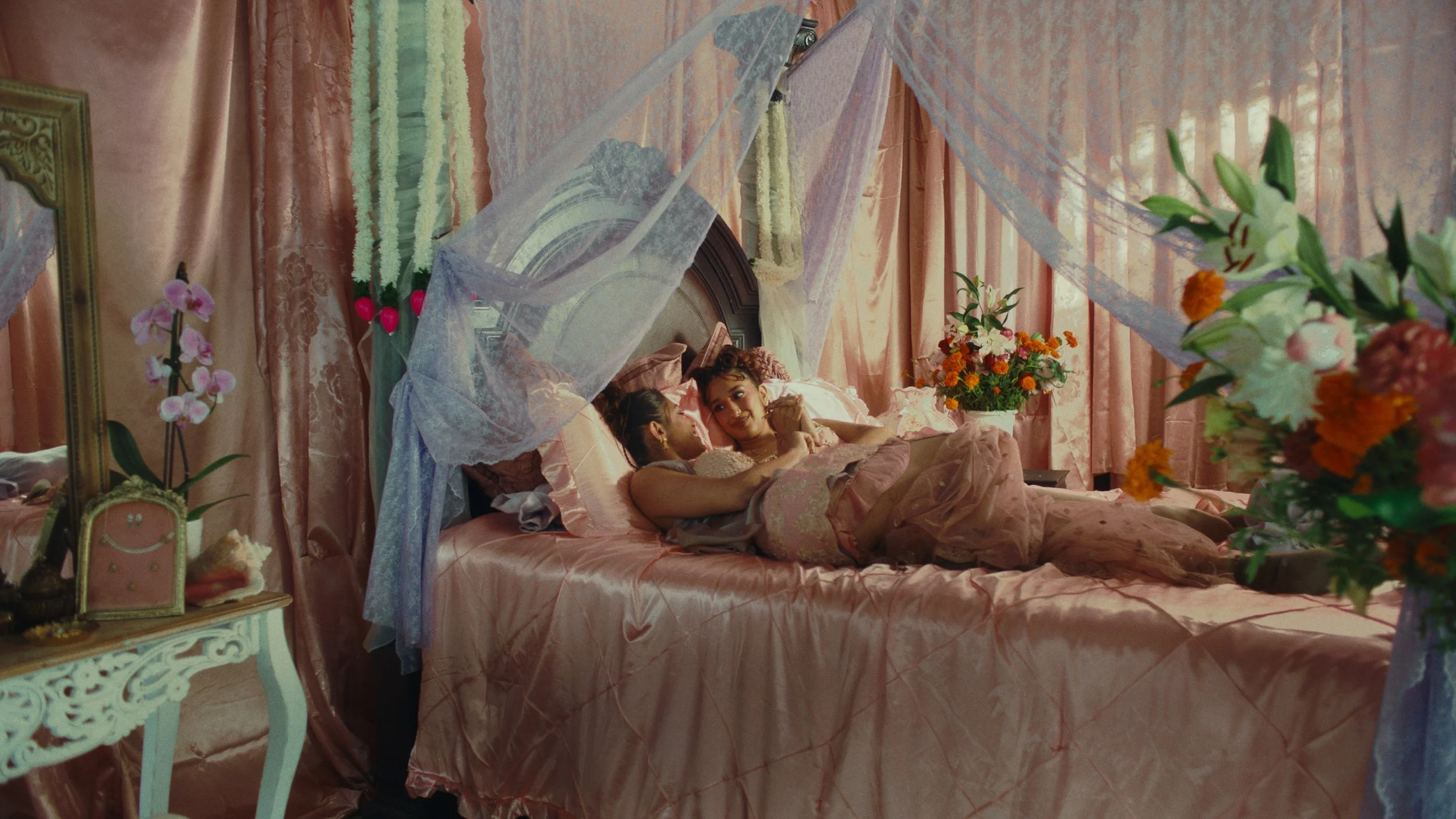
“I've always wanted my work to bend the narratives set in place for my diaspora, especially for women,” Keya says. “Though the work is far from done, representing Desi women in a light that celebrates their beauty, regality, softness, and whimsy felt so fulfilling.”
That sense of creative ownership is ultimately what makes DESI ROCOCO more than a meeting of two aesthetics. The campaign brings together elements that don’t often share the same visual space: South Asian jewellery and European art history, commercial fashion and queer intimacy, maximalism and softness. More importantly, it puts South Asian and queer creatives in the position of deciding what that combination can look and feel like.
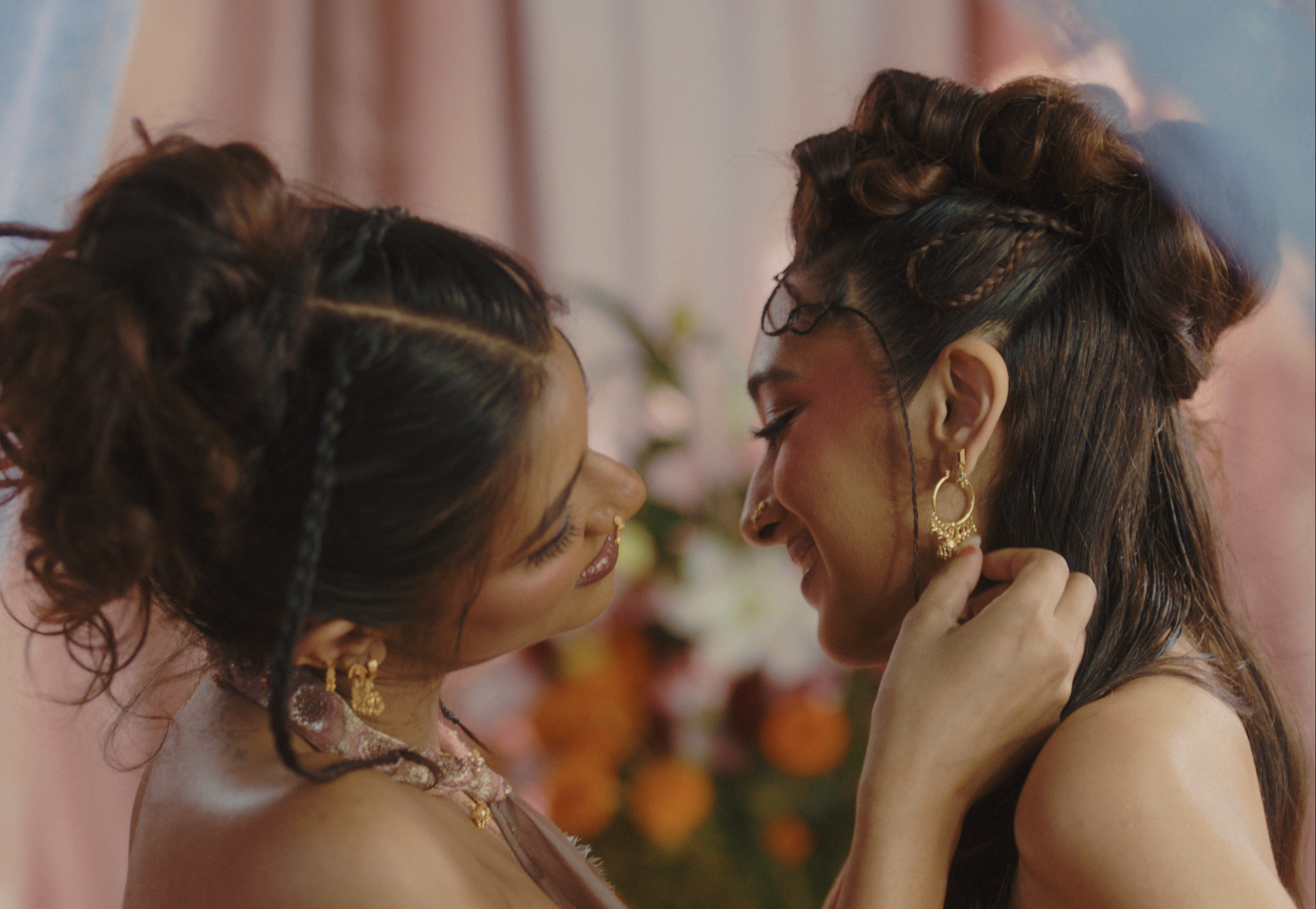
For Keya, that creative freedom is part of a wider responsibility. “Championing South Asian expression and creativity is so important, especially within our own community, and I'm grateful to work with collaborators, clients, and creatives who align with that goal.”
DESI ROCOCO doesn’t offer one definitive version of South Asian beauty, and it doesn’t need to. Instead, it expands the visual language available to us, showing that Desi identity can be ornate, romantic, queer, glamorous and unapologetically excessive, all at once.